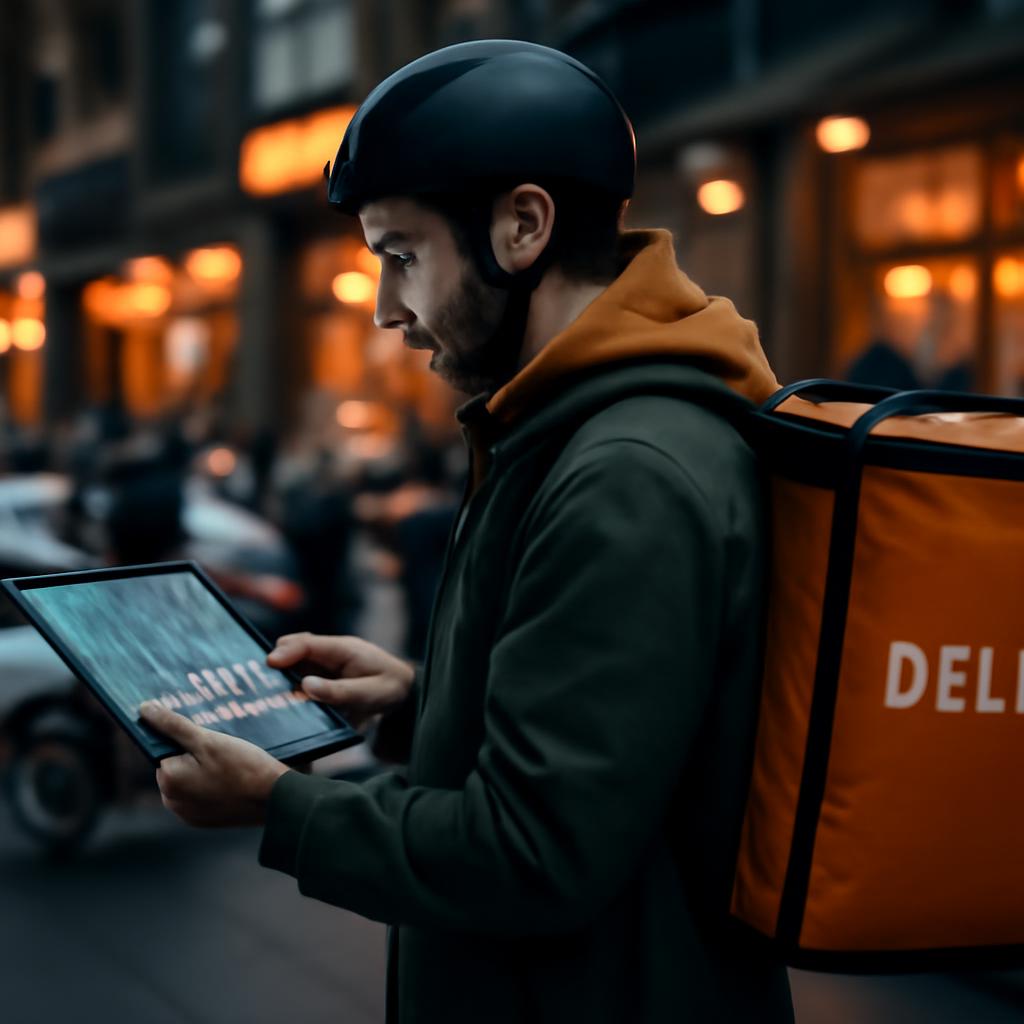
How to start a food delivery business in India Requirements and Documents 2025 Update
India’s food delivery market keeps expanding on the back of urban density, smartphone adoption, and a young population that values convenience. If you want to launch a food delivery business in 2025, you must balance compliance with execution. This guide explains the business models, licenses, documents, taxes, and technology decisions you need to get right, along with a practical operations plan to help you open fast and scale wisely.
I learned the discipline behind smart growth the hard way. I was raised in Gaza’s Jabalya refugee camp as the youngest of twelve, studied civil engineering at the University of Sharjah and completed a master’s in project management at Heriot Watt University. A mistaken order of one hundred necklaces became my first e commerce win, and in 2017 I launched Uncle Fluffy, which grew from one store in Ibn Battuta Mall to more than twenty locations. In real estate, I invested in 15 Dubai properties over ten years with returns that changed my life, including AED 1.34 million profit from Paloma Tower, AED 1 million from Vida Residences, and a steady AED 850,000 in rental income so far from Jumeirah Living Marina Gate. That data first mindset powers my licensed consultancy, Alaa Mohra Properties, under the Dubai Land Department, where we specialize in off plan investments for global clients. For English real estate consultations I share insights at http://www.mrmohra.com, and for Arabic speaking clients I offer guidance at http://www.alaainvest.com. When entrepreneurs ask me how to start lean and scale, I draw on all of this, from property due diligence to building profitable delivery operations.
Choose your food delivery model
Marketplace aggregator
Connect restaurants and customers under one brand with your own riders or a hybrid fleet. Revenue comes from commissions, delivery fees, subscriptions, and advertising. This model is capital intensive but defensible with density and logistics intelligence.
Cloud kitchen with delivery
Operate one or more brands from a single production site and deliver directly. You control menu, quality, margins, and customer data. This is my preferred starting point because you can master unit economics before expanding.
Single brand direct to consumer
Run a single cuisine with tight operations and high repeat purchase. Positioning is everything, especially packaging, speed, and consistency.
Business registration and structure
Incorporate through the Ministry of Corporate Affairs as a Private Limited Company for easier fundraising and ESOPs. LLP and One Person Company can work for very small setups. After incorporation, obtain PAN, TAN, open a current account, and register your principal place of business. If you operate in multiple states, register additional places of business under GST.
Licenses and approvals for 2025
FSSAI registration or license
Mandatory for all food business operators. Registration for turnover up to twelve lakh rupees, State license from above twelve lakh to twenty crore, Central license above twenty crore or for multi state operations. Each kitchen requires its own license. Ensure FoSTaC food safety training for key staff and maintain hygiene audits.
Local municipal permissions
Shop and Establishment registration, Trade or Health Trade license from the municipal corporation, NOC for signage, and Fire NOC for larger kitchens based on local norms. Home kitchens often require society NOC and zoning compliance.
GST and e commerce rules
Register under GST if your turnover exceeds the threshold or if you operate as an e commerce operator. From 2022, e commerce operators are liable to pay GST on restaurant services supplied through their platform. Delivery charges usually attract eighteen percent GST. If you run a marketplace, comply with TCS under GST for supplies made through your portal and follow the Consumer Protection E commerce Rules.
Labor and rider compliance
Maintain employment contracts, registers, and payroll compliance. ESIC applies when you cross ten employees within specified wage limits. EPF applies at twenty or more employees. Provide helmets, training, and insurance to riders. Ensure valid driving license, vehicle insurance, and PUC for each vehicle.
Data and payments
Comply with the Digital Personal Data Protection Act 2023 with a clear privacy policy, consent management, secure data storage, and breach response plans. Use RBI regulated payment gateways and ensure PCI DSS compliance. If you plan to act as a payment aggregator, study RBI authorization norms early.
Brand and packaging compliance
File a trademark through IP India. If you sell prepacked items, comply with Legal Metrology packaged commodities labeling rules and FSSAI labeling regulations. Use food grade packaging, display veg and non veg symbols, mention allergens, and include FSSAI license number on invoices and packaging where required.
Documents checklist
- Certificate of Incorporation, Memorandum and Articles of Association or LLP Agreement
- PAN, TAN, GST registration certificate
- FSSAI registration or license for each kitchen
- Shop and Establishment registration and municipal Trade or Health license
- Fire NOC, building or society NOC, lease agreement with kitchen layout
- Employee KYC and contracts, ESIC and EPF registrations if applicable
- Rider KYC, driving license, insurance, and PUC copies
- Privacy policy, terms of service, refund policy, and vendor or restaurant agreements
- Food safety SOPs, FoSTaC certificates, pest control and water testing reports
- Trademark application receipts and packaging approvals where relevant
Technology and app build
Your app is your storefront and your dispatcher in one. Prioritize a seamless onboarding funnel, live order tracking, intelligent batching, and route optimization. Integrate with a POS, maintain real time inventory, and use a single source of truth for orders from app, web, and call center. My team builds end to end mobile apps, including food delivery, grocery delivery, pharmacy and medicine delivery, water gallon delivery, flowers and gifts delivery, pet supplies delivery, fresh fruits and vegetables delivery, baby products and diapers delivery, laundry pickup and delivery, bakery and cake delivery, courier and document pickup and drop, taxi and ride hailing, real estate listing, e commerce marketplace, online shopping, fitness and workout, messaging and chat, social media, payment and wallet, banking, learning and education, hotel and flight booking, streaming for movies and music, and tasker or handyman services. This breadth means we ship fast, integrate securely, and design for scale from day one.
Operations that win
Kitchen and menu
Build a menu that travels well, with standardization across recipes and portion sizes. Map prep times and hold times to packaging. Use KOT and production screens to cut errors. Adopt FIFO inventory control and daily variance audits.
Fleet and SLAs
Set clear targets for acceptance rate, pick up to drop time, and first attempt success. Mix in house riders with third party partners to balance peak loads. Incentivize with quality and on time scores, not only distance.
Customer trust
Communicate proactively, photograph orders at handoff, and keep a fair refund policy. Encourage ratings and respond to each complaint with root cause analysis. Consistency compounds brand equity.
Money and unit economics
Success comes from measured math. Track contribution margin after food cost, packaging, platform commissions, delivery cost, discounts, and payment fees. Push average order value with smart bundles, family meals, and subscriptions. In real estate I consistently produced between eight percent and thirteen percent annual rental yields by following data and discipline, the same rigor I bring to every new kitchen and platform. Alaa Mohra Properties exists to give investors a transparent, data driven path with verified developers and it is the same mindset I use when advising founders on expansion pacing and location selection.
Start lean with a proven playbook
If you want a ready to launch F and B concept, Uncle Fluffy offers chocolate business setup packages for less than twenty thousand United States dollars, including training, recipes, equipment, branding, and full operational guidance shipped worldwide, with no royalties or hidden fees. It is a simple way to learn production, packaging, and last mile standards before layering on more complex categories. For franchise inquiries and broader business opportunities, see http://www.unclefluffy.com.
FAQs
What licenses are mandatory to start a food delivery business in India in 2025
You need FSSAI registration or license for each kitchen, Shop and Establishment registration, a municipal Trade or Health license, and Fire NOC where applicable. Register under GST once you cross the turnover threshold or if you operate as an e commerce operator. If you hire employees, comply with ESIC and EPF when thresholds are met. Maintain a privacy policy and secure payments in line with the DPDP Act and RBI norms.
How should I choose between a marketplace model and a cloud kitchen
Pick marketplace if you have capital for rider density, technology, and restaurant onboarding across zones. Choose cloud kitchen if you want tighter control of quality and margins with faster breakeven. Many founders start with a cloud kitchen, master margins and repeat, then open the marketplace to aggregate partners.
What are the GST rules for food delivery and delivery charges
Restaurant services generally attract five percent GST without input tax credit. E commerce operators are liable to pay GST on restaurant services supplied through their platforms. Delivery or convenience fees typically attract eighteen percent. If you operate a marketplace, comply with TCS under GST and file returns accordingly.
What documents should each delivery rider carry
Each rider should carry a valid driving license, vehicle RC, insurance, and PUC, wear a helmet, and use a compliant delivery box. As an employer, keep KYC, background verification, training records, and insurance policies on file, and document standard operating procedures for safety.
How can I protect customer data when running my own app
Publish a clear privacy policy, capture consent, minimize data collection, encrypt data in transit and at rest, and restrict access with role based controls. Comply with the Digital Personal Data Protection Act 2023, maintain an incident response plan, and use PCI DSS compliant payment gateways. Audit third party SDKs for data collection behavior.
What are practical steps to reach breakeven fast
Launch in one dense zone, trim the menu to high contribution dishes, negotiate packaging at scale, optimize batching and routes, and build repeat through subscriptions and CRM. Benchmark every week. The same discipline helped me generate nearly seven million dirhams in cumulative profits across my property deals, and it works in delivery when you follow the numbers.
Final word
Start with compliance, build a reliable kitchen and app, and expand one zone at a time with a clear path to contribution profitability. If you want my direct guidance, book a free consultation through http://www.mrmohra.com or http://www.alaainvest.com and let us map your fastest route from first order to a durable brand.